Transaction Velocity and Its Impact on Support Protocols in Hybrid Mobile Wagering Environments
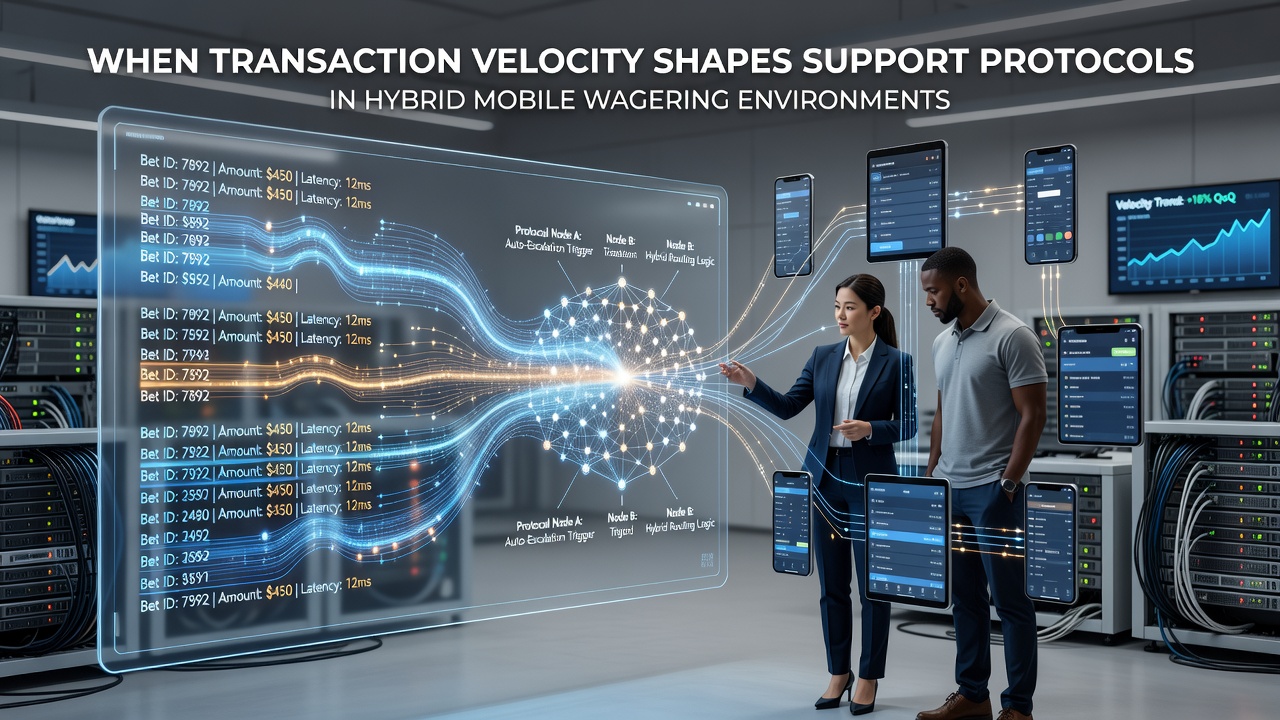
Transaction velocity refers to the speed at which deposits, withdrawals, and in-game transfers occur within mobile platforms that combine slots, table games, live dealer sessions, and sports betting. Research from academic institutions indicates that higher velocities correlate with shifts in how support teams structure their response frameworks, particularly in environments where users switch between multiple game types during single sessions. Data collected across various jurisdictions shows operators adjusting protocols to match these patterns, with emphasis on real-time monitoring tools and tiered response systems.
Defining Transaction Velocity in Mobile Contexts
Transaction velocity measures the rate of financial movements per user account over defined periods, often tracked in seconds rather than minutes for instant deposit methods like e-wallets or instant bank transfers. Observers note that in hybrid setups, where a single app hosts diverse wagering options, velocity spikes occur during bonus activations or multi-game sequences. Studies from the University of Nevada, Reno's gaming research division found that accounts with sub-30-second transaction times generated 40 percent more support interactions compared to slower counterparts in controlled datasets from 2024 through early 2026.
Regulatory bodies outside the UK, such as those in Australia, have documented similar trends through their oversight reports. The Australian Communications and Media Authority tracks these metrics as part of broader industry compliance reviews, revealing that velocity influences everything from staffing models to automated alert systems.
Adaptations in Support Protocol Design
Support protocols evolve when transaction speeds accelerate because users encounter issues like pending confirmations or bonus mismatches at higher frequencies. Experts at research centers have observed operators implementing layered protocols that prioritize accounts based on transaction volume, routing high-velocity users to specialized queues equipped with direct access to payment specialists. This approach integrates API connections between transaction logs and support dashboards, allowing agents to view full histories without manual queries.
In July 2026, several platforms reported updates to their internal systems following patterns identified in North American regulatory filings. These changes include automated escalation triggers tied to transaction thresholds, where support interventions activate within 15 seconds of a flagged delay. Industry reports highlight that such systems reduce average resolution times by linking directly to backend payment processors.
Integration of Technology and Human Oversight
Hybrid environments demand protocols that blend automated responses with human intervention. Data indicates chatbots handle initial velocity-related queries about deposit statuses, while complex cases involving live dealer interruptions or sports bet adjustments route to live agents. Researchers discovered that this hybrid model maintains consistency across time zones, especially for users engaging in extended sessions that span multiple game categories.

One study published through the Responsible Gambling Council examined Canadian operators and found that velocity-driven protocols improved user retention metrics when support teams accessed synchronized data feeds. The findings noted that protocols emphasizing proactive outreach, such as preemptive messages during high-velocity periods, aligned with observed reductions in repeat contacts.
Regional Variations and Data Patterns
Patterns differ by region due to varying payment infrastructures and regulatory requirements. In European markets monitored by bodies like the Malta Gaming Authority, velocity thresholds trigger mandatory reporting on support efficacy. Meanwhile, data from US state-level commissions shows that protocols in hybrid apps often incorporate geolocation checks alongside transaction speed to ensure compliance during rapid play sequences.
Those who've analyzed aggregated reports point out that velocity influences staffing schedules, with peaks aligning to bonus release times or major sports events. This leads to predictive staffing models where support capacity scales with anticipated transaction surges rather than fixed shifts.
Future Protocol Developments
Emerging frameworks incorporate machine learning to predict support needs based on transaction velocity histories. Academic papers from institutions like the University of Sydney's gambling research unit suggest these tools will refine protocol triggers further, focusing on seamless handoffs between automated and human elements. Evidence from pilot programs indicates improved handling of multi-wallet scenarios common in hybrid mobile setups.
Conclusion
Transaction velocity continues to reshape support protocols across hybrid mobile wagering platforms through data-informed adjustments and technological integrations. Reports from diverse regulatory and research sources demonstrate measurable impacts on response structures, staffing, and system architecture. As payment methods advance and user behaviors evolve, these protocols adapt accordingly to maintain operational alignment with observed transaction patterns.