Tracing Player Advancement Through Responsive Assistance and Layered Incentives in Handheld Gaming Networks
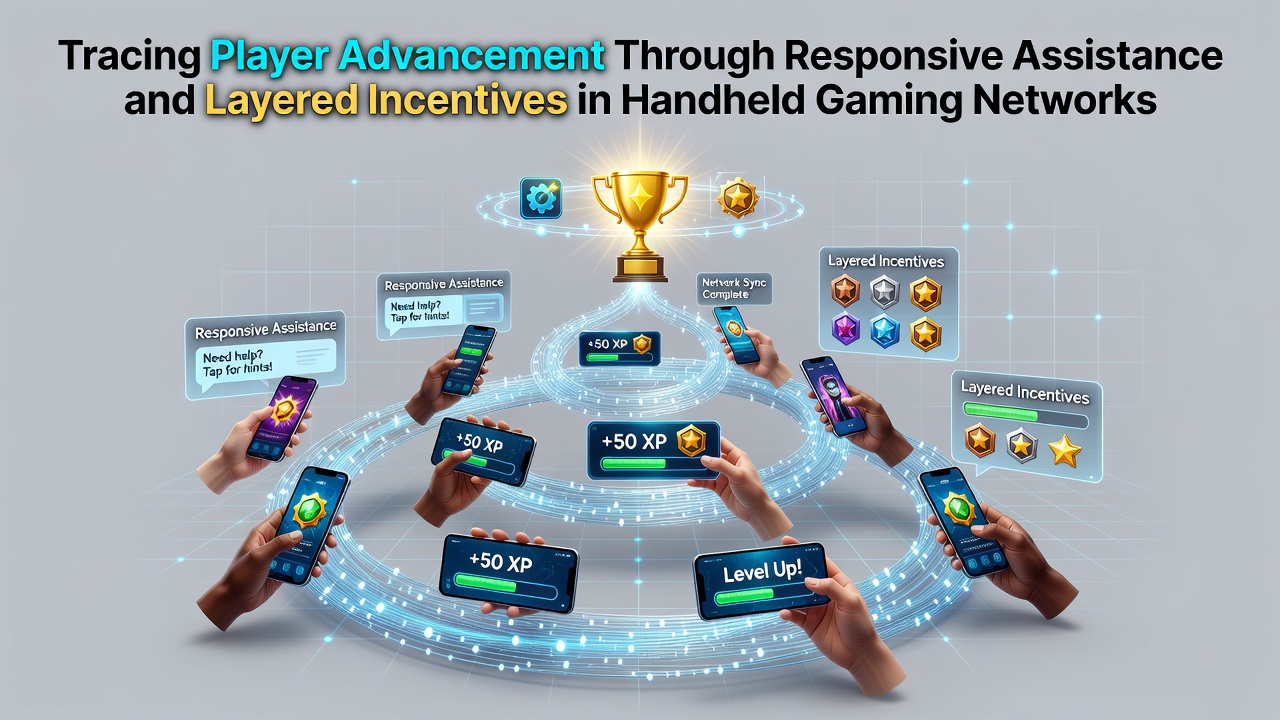
Handheld gaming networks have evolved into sophisticated platforms where player progression depends on seamless combinations of responsive assistance and layered incentive structures that guide users from initial sessions toward sustained engagement. Developers track advancement metrics through integrated systems that monitor interaction patterns while delivering targeted support responses and reward tiers designed to maintain momentum across mobile ecosystems. According to data compiled by the Entertainment Software Association, mobile gaming accounted for over 50 percent of global game revenues in recent assessments, highlighting how these networks prioritize player retention through structured assistance protocols and progressive reward frameworks.
Responsive assistance operates as the backbone of these networks by providing real-time chat integrations, automated troubleshooting bots, and human moderator escalations that address technical hurdles before they disrupt play sessions. Teams at major studios coordinate these elements to ensure queries about account syncing or device compatibility receive swift resolutions, which in turn supports uninterrupted advancement through game levels. Research from university-led studies on digital entertainment shows that networks incorporating sub-five-minute response times see measurable increases in session duration, because players remain immersed rather than abandoning progress due to unresolved issues.
Layered Incentives Driving Consistent Progression
Layered incentives form another critical component, where developers stack daily login bonuses, achievement milestones, seasonal events, and tiered loyalty programs to create multiple pathways for player growth. These systems often begin with simple welcome rewards that introduce core mechanics, then escalate to complex challenges requiring strategic play across handheld devices. Data indicates that games employing five or more distinct incentive layers retain users at higher rates compared to single-reward models, since each layer addresses different motivations ranging from quick gratification to long-term mastery goals.
Observers note that effective networks synchronize these incentives with assistance channels so players receive guidance precisely when advancing to new tiers. For instance, a user unlocking a premium feature might trigger an immediate support prompt offering walkthroughs or customization tips, which reinforces the incentive structure rather than leaving gaps in understanding. This integration appears across popular titles where progression tracking dashboards display both completed rewards and pending support resources in unified interfaces.
Tracking Mechanisms and Network Analytics
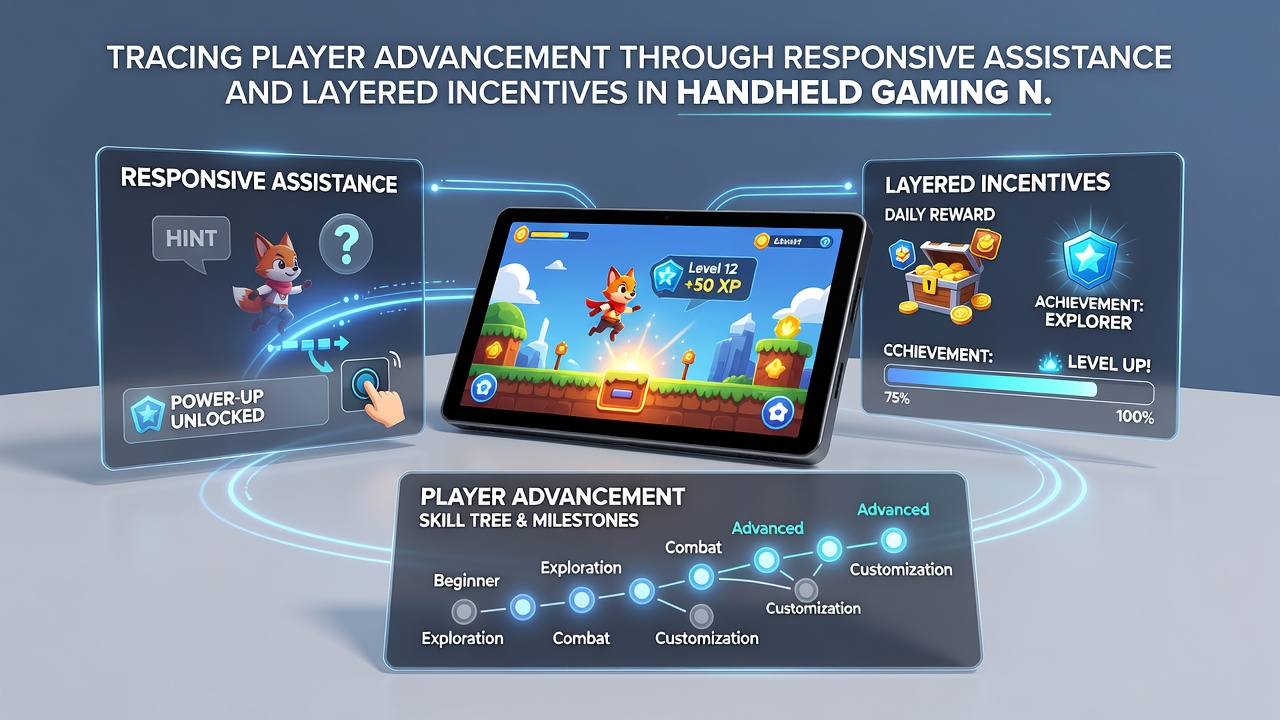
Tracing player advancement relies on backend analytics that aggregate behavioral data from millions of sessions while respecting privacy standards set by regional authorities such as those in the Asia-Pacific region through Singapore's Infocomm Media Development Authority guidelines. These tools map movement between incentive layers, flag drop-off points, and correlate assistance interactions with subsequent activity spikes. Reports released in July 2026 from international gaming research consortia revealed that networks using predictive modeling to anticipate support needs achieved 18 percent higher completion rates for multi-stage campaigns, because proactive interventions kept players on trajectory.
Case examples include large-scale mobile titles where developers implemented cross-device progress synchronization paired with contextual help prompts. One documented instance involved a role-playing game that linked reward notifications directly to support tickets, allowing users to resolve inventory glitches mid-event and claim layered bonuses without restarting sequences. Such approaches demonstrate how assistance and incentives function interdependently within handheld ecosystems.
Regional Variations in Implementation
Implementation patterns differ across regions yet share common foundations in data-driven design. European frameworks emphasize transparent incentive disclosures, while North American studios focus on rapid scaling of assistance tools to match expanding user bases. A collaborative study involving researchers from multiple institutions found that networks balancing these elements across platforms maintained steadier advancement curves even during peak usage periods like holiday events. Players benefit when systems adapt rewards based on individual pace, delivering assistance that matches their specific position within layered structures.
Network operators continue refining these models through iterative testing, incorporating feedback loops that adjust incentive density according to aggregated progression statistics. This process ensures handheld gaming environments remain dynamic without overwhelming participants with excessive options at any single stage.
Conclusion
Handheld gaming networks succeed when responsive assistance and layered incentives align to trace and support player advancement in measurable ways. Analytics from diverse sources confirm that integrated approaches yield stronger retention outcomes across varied device types and geographic markets. Developers maintain these systems through ongoing calibration that responds to emerging usage patterns while preserving core progression pathways for all participants.