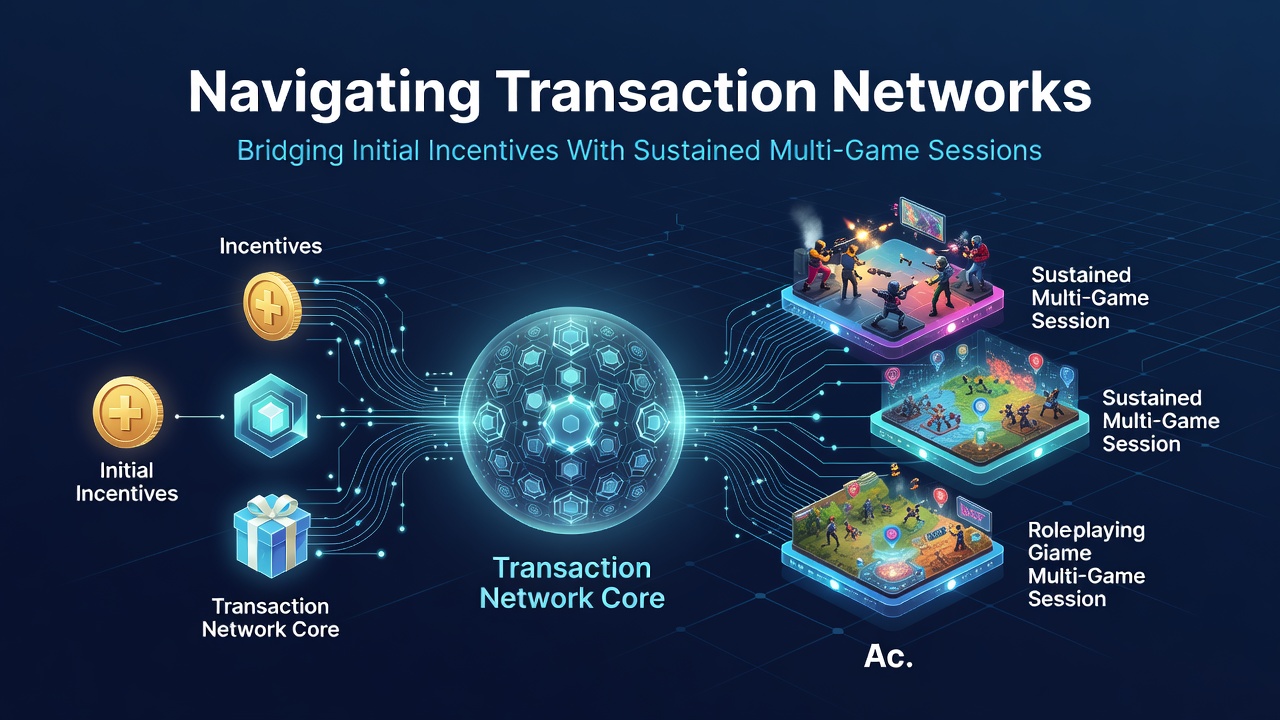
Navigating Transaction Networks That Bridge Initial Incentives With Sustained Multi-Game Sessions Across Portable Platforms
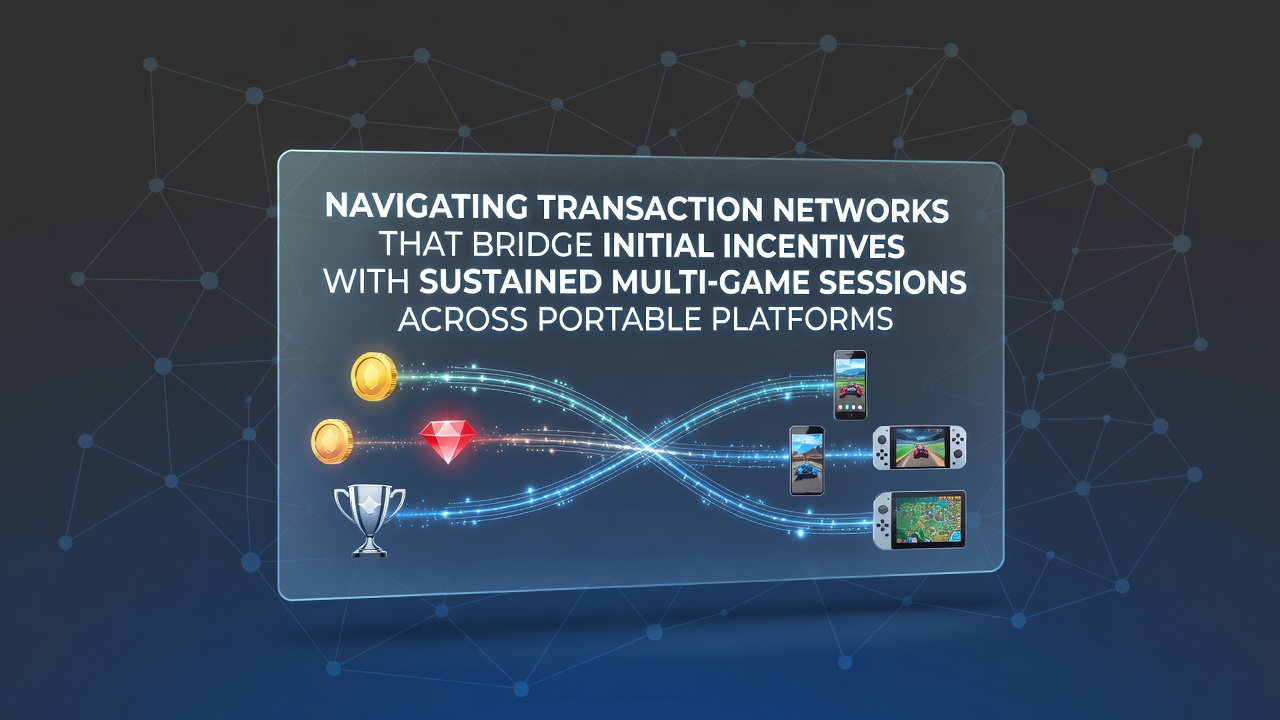 Transaction networks in portable gaming environments connect early-stage rewards to extended play patterns by routing deposits through secure gateways that unlock layered incentives while maintaining session continuity across smartphones and tablets. Data from industry monitoring groups shows these systems handle millions of micro-transactions daily, with payment processors integrating APIs that verify funds in under two seconds before releasing matched credits or spin allocations. Researchers at mobile commerce labs have mapped how initial deposits trigger automated sequences that feed directly into multi-title libraries, allowing users to shift between slot mechanics, table simulations, and live dealer streams without exiting the app ecosystem. Payment architecture relies on tokenization protocols that shield user credentials while enabling real-time balance updates across device handoffs. When a player completes a first deposit on one handset, the network synchronizes the incentive package to cloud-based profiles that persist through operating system changes or network switches. Figures released in June 2026 by the American Gaming Association highlight a 14 percent rise in cross-device transaction volumes compared with the prior quarter, driven largely by seamless wallet integrations that carry active bonuses forward.
Mechanics of Initial Incentive Linkage
Initial rewards function as entry points that transaction engines convert into playable credits through predefined rulesets. A deposit of fixed value activates a multiplier applied instantly to an account balance, after which the network logs the event and prepares subsequent triggers tied to play volume. Observers note that these linkages depend on timestamped ledgers that prevent duplicate claims while routing funds through regional banking rails or digital wallet providers. Studies conducted at European digital economy centers reveal that latency below 800 milliseconds correlates with higher completion rates for the first incentive cycle, because delays often interrupt the psychological momentum built during onboarding. Networks also embed verification layers that cross-check device fingerprints and geolocation data before incentive release. This step ensures compliance with licensing jurisdictions yet keeps the process invisible to the end user, who simply sees an updated balance ready for immediate use across multiple game categories.Support Structures for Multi-Game Continuity
Once incentives activate, the same transaction backbone manages progression through diverse game formats by tracking cumulative activity metrics. Session data flows into centralized servers that adjust bonus tiers or unlock additional features based on time spent or rounds completed. People who monitor these platforms report that live dealer modules and sports betting interfaces share the same ledger as slot engines, allowing a single deposit trail to sustain activity across all verticals without repeated funding prompts. Portable platforms amplify this continuity through responsive design frameworks that preserve transaction state during screen rotations or app backgrounding. When a user moves from a tablet session to a phone interface, cached tokens re-authenticate the active incentive package and resume play at the exact progress point. Industry reports compiled by research consortia in Australia indicate that apps employing unified payment ledgers retain users for an average of 47 percent longer than those requiring separate logins per title.