Guardian Probe Reveals Unlicensed Casino Network Luring UK Gamblers Past Self-Exclusion Barriers
Guardian Probe Reveals Unlicensed Casino Network Luring UK Gamblers Past Self-Exclusion Barriers

Uncovering the Hidden Operation
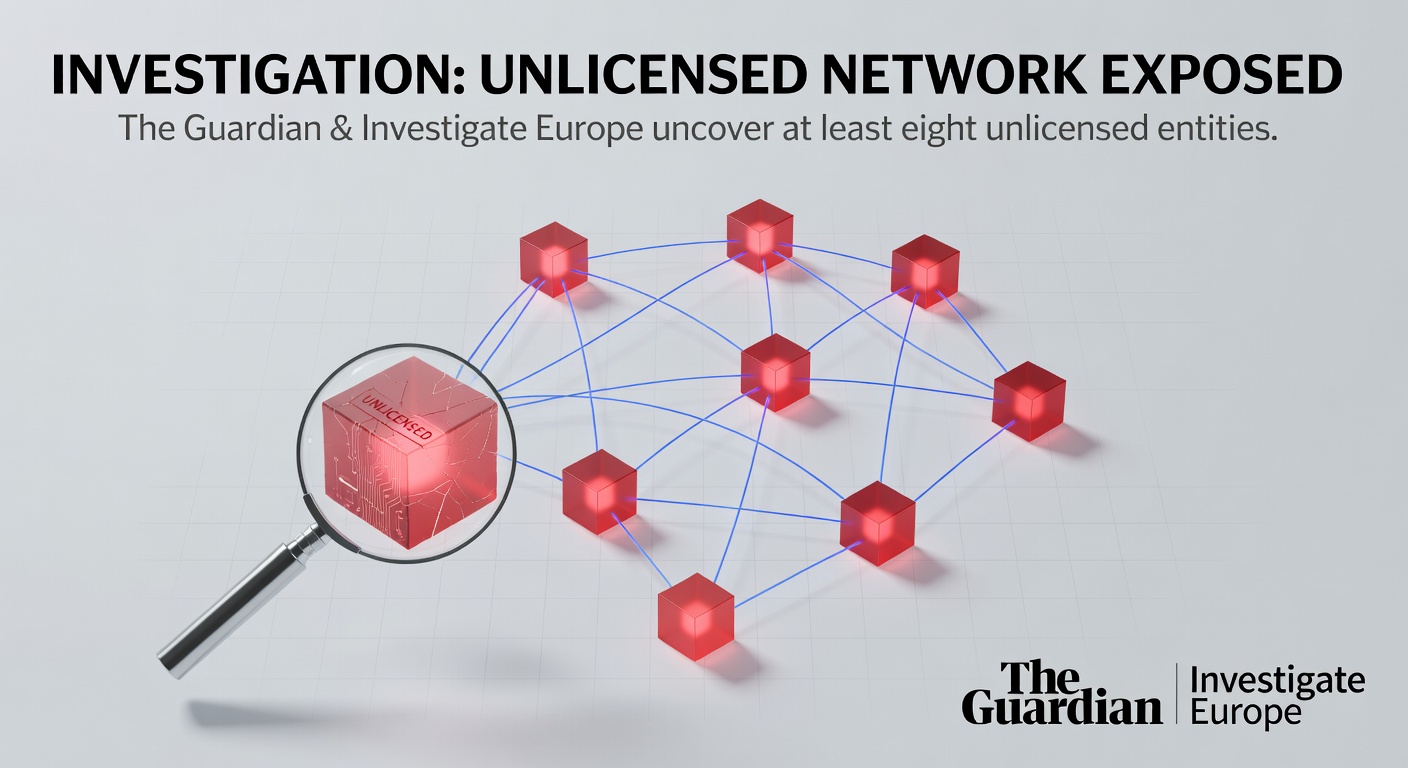
A recent investigation by The Guardian, published in early April 2026, has exposed a sprawling network of at least eight illegal online casinos targeting UK gamblers, and these platforms operate without a licence from the relevant UK authorities; sites like MyStake, Velobet, and Goldenbet sit at the heart of this setup, all run by Santeda International, a company that circumvents standard regulations to reach players who've signed up for self-exclusion via GamStop.
Observers note how affiliate sites play a crucial role here, actively promoting these unlicensed venues to vulnerable individuals trying to dodge their own exclusion commitments, while the operation draws massive traffic—2.3 million monthly visitors from the UK alone between November 2025 and January 2026, according to traffic data uncovered in the probe.
What's interesting is the international web behind it all; connections trace back to Georgian businessmen through Upgaming AG, with bases popping up in places like Curaçao, a spot known for lax oversight in online gaming, as detailed in reports from the Curaçao eGaming registry, although these specific sites lack proper endorsements even there.
The Mechanics of the Network
Santeda International manages this cluster of casinos, each mimicking legitimate operations with slots, sports betting, and live dealer games, yet they thrive by ignoring UK licensing requirements; affiliates—often small websites or social media channels—funnel players directly to these platforms, promising bonuses and easy access for those frustrated by GamStop's barriers.
Take MyStake for instance: it pulls in players with aggressive marketing, while Velobet focuses on sports wagers and Goldenbet pushes table games, all interconnected under Santeda's umbrella, and data shows their combined UK audience swelled dramatically over those key months, hitting that 2.3 million visitor mark monthly.
And here's where it gets intricate; these sites use payment processors that skirt traditional checks, allowing quick deposits from UK cards despite the licensing void, which experts who've tracked similar networks say enables seamless play for self-excluded gamblers seeking loopholes.
Traffic analytics from the investigation reveal peaks during evenings and weekends, times when vulnerable players often seek outlets, and the network's scale suggests sophisticated tech infrastructure, likely hosted across multiple jurisdictions to evade single-point shutdowns.
Devastating Impact on UK Players
Real stories emerge from the rubble of this operation, like one gambler who lost £23,000 in a spiral of bets across these sites, draining savings built over years; such cases highlight the human toll, with figures from the probe painting a picture of unchecked losses racking up for those bypassing GamStop.
Even more tragic, a linked suicide in January 2026 underscores the stakes, as the individual had turned to these platforms post-self-exclusion, plunging into debt that spiralled out of control, and those who've studied gambling harms note how unlicensed sites amplify risks by skipping mandatory safeguards like deposit limits or reality checks.
Data indicates thousands more face similar fates, with the 2.3 million visitors translating to widespread exposure; average session times stretch long on these platforms, fueled by bonuses that hook players deeper, while withdrawal hurdles keep funds locked in, turning casual dips into marathons of loss.
People often find themselves isolated too, as these offshore setups dodge UK support networks, leaving problem gamblers without local helplines or interventions that licensed operators must provide.
International Ties and Operational Bases
The trail leads to Georgian businessmen at the helm via Upgaming AG, a firm handling backend tech for these casinos; bases in Curaçao provide the facade of legitimacy, yet without UK approval, they target British players aggressively, using VPN-friendly designs and geo-unblocking tricks.
Turns out, Curaçao's framework—often critiqued in global reviews—allows such entities to launch without stringent player protections, as outlined in oversight documents from regional bodies; this setup lets Santeda scale rapidly, onboarding affiliates across Europe to boost UK reach.
One researcher tracking offshore gaming patterns discovered similar networks popping up elsewhere, like in Anjouan or Costa Rica, but this one's focus on GamStop evaders sets it apart, drawing precisely the crowd regulators aim to shield.
Lawmakers Demand Action
In the wake of the April 2026 Guardian report, UK lawmakers have sounded alarms; Labour MP Alex Ballinger calls for beefed-up enforcement, arguing that current gaps let these networks flourish, while Conservative MP Iain Duncan Smith pushes for deeper international cooperation to dismantle operations like Santeda's.
Ballinger points to the suicide and £23,000 loss as wake-up calls, urging regulators to partner with payment firms and tech platforms to block access; Duncan Smith echoes this, highlighting the 2.3 million visitors as evidence of a crisis demanding cross-border crackdowns.
Both stress collaboration with jurisdictions like Curaçao, where similar concerns have prompted reviews—echoed in findings from the European Gaming and Betting Association, which tracks unlicensed incursions into regulated markets—and lawmakers now eye tech solutions like AI monitoring for affiliate promotions.
Pressure builds in Parliament too, with questions tabled for swift responses, as the story breaks amid broader gambling reform talks in early 2026.
Broader Implications for Player Protection
This network's exposure comes at a pivotal moment, with GamStop registrations climbing steadily, yet bypass methods proliferating; experts observe how affiliates adapt quickly, shifting to Telegram channels or private forums when sites face heat.
The reality is, unlicensed ops exploit trust gaps, offering what looks like safe play but delivers raw risk, and traffic data from November 2025 to January 2026 shows no slowdown, even as losses mount.
Those in the field who've seen patterns like this know enforcement lags behind innovation; Curaçao bases complicate shutdowns, requiring diplomatic pushes, while UK visitors keep coming, lured by the promise of unrestricted access.
Case studies from the probe, including that £23,000 wipeout, reveal common threads—initial small wins via bonuses escalating to desperation bets—and the January suicide adds urgency, prompting calls for global standards in self-exclusion tech.
Looking Ahead: Calls for Tighter Controls
As April 2026 unfolds, the Guardian's findings ripple through policy circles, with Ballinger and Duncan Smith leading a chorus for action; stronger ties with international regulators could choke affiliate pipelines, while tech upgrades to GamStop might seal bypass routes.
Data underscores the scale—2.3 million UK hits monthly across eight sites—and lawmakers bet on coordinated strikes to protect the vulnerable, ensuring self-exclusion holds firm against offshore temptations.
Ultimately, this saga spotlights the cat-and-mouse game in online gaming, where networks like Santeda's test boundaries, but heightened scrutiny now puts the ball in regulators' court, promising shifts in how UK players navigate these digital frontiers.