Guardian Probe Reveals Unlicensed Casino Empire Dodging UK Self-Exclusion Barriers
Guardian Probe Reveals Unlicensed Casino Empire Dodging UK Self-Exclusion Barriers

Uncovering the Hidden Network
An investigation published by The Guardian in April 2026 exposed a sprawling operation of at least eight illegal online casinos, including prominent names like MyStake, Velobet, and Goldenbet; these platforms, run by Santeda International, operate without a licence from the UK Gambling Commission, yet they aggressively target UK players who have self-excluded through GamStop, the national self-exclusion scheme designed to protect vulnerable individuals from gambling harms.
Experts tracing the ownership trail found clear links to Georgian businessmen through Upgaming AG, a company facilitating the technical backbone for these sites; operations span jurisdictions like Curaçao, known for laxer regulatory environments, allowing the network to sidestep stringent UK rules on player protection, addiction safeguards, and anti-money laundering measures that licensed operators must follow religiously.
What's interesting here is how seamlessly these platforms blend into the online landscape, mimicking legitimate sites while exploiting search engine loopholes—terms like “Not on GamStop” draw in desperate searchers evading their own barriers, and affiliates, those marketing middlemen, rake in commissions by funneling traffic straight to these unlicensed doors.
How the Operation Targets Vulnerable Players
Those who've studied the mechanics note that GamStop, launched to give UK gamblers a one-stop self-exclusion tool across licensed sites, leaves a gaping vulnerability; unlicensed offshore casinos simply ignore the database, welcoming self-excluded players with open arms, bonuses, and unchecked deposit options that keep the action rolling without interruption.
Affiliates play a starring role, promoting these casinos through SEO-optimized content, social media whispers, and email blasts tailored to UK audiences; one common tactic involves blog posts promising “GamStop-free” thrills, complete with quick registrations and crypto payments that dodge traditional banking scrutiny, making it all too easy for players to dive back in despite their prior commitments.
And while UK-licensed sites enforce strict checks—cooling-off periods, deposit limits, reality checks—these rogue platforms offer none of that, turning what should be a protective shield into Swiss cheese; observers point out that this not only undermines self-exclusion but amplifies risks, as players chase losses in an environment devoid of oversight.
Staggering Traffic Numbers Paint a Clear Picture
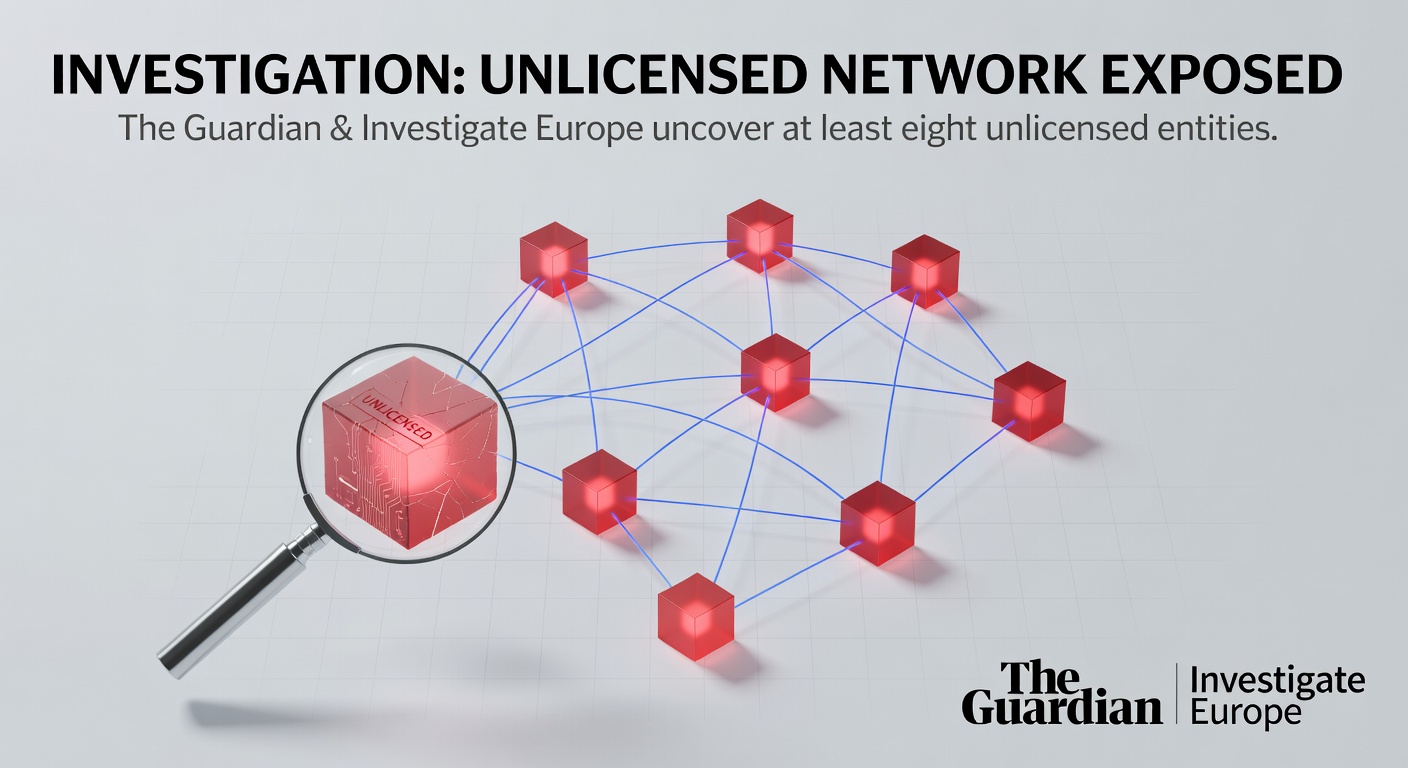
Data from the investigation reveals an average of 2.3 million unique UK visitors per month across the network between November 2025 and January 2026; that's a flood of traffic, equivalent to packed stadiums logging in daily for slots, tables, and bets, all while flying under the UK Gambling Commission's radar.
Figures like these highlight the scale—MyStake alone pulled in massive shares, with Velobet and Goldenbet close behind; analysts crunching the numbers say this visitor surge correlates directly with marketing pushes around high-profile sports events and holidays, when gambling urges peak, drawing in not just casual players but those desperately seeking ways around their self-exclusions.
But here's the thing: such volumes don't happen in a vacuum; search trends for “non-GamStop casinos” spiked during this period, fueling the influx, and while the sites boast flashy interfaces and live dealers, they lack the transparency licensed competitors provide, leaving players exposed to manipulated odds and unfair practices.
Real Harms Emerge from the Shadows
A chilling example surfaced in a January 2026 inquest, where coroners linked a man's suicide directly to his play on these unlicensed sites; despite self-excluding via GamStop, he found his way to the network, spiraling into debts and despair without intervention, a stark reminder of how bypassing protections can lead to tragedy.
Researchers examining broader patterns have long warned that unlicensed operators contribute disproportionately to gambling-related harms—addiction relapses, financial ruin, mental health crises—because they evade tools like stake caps, loss limits, and mandatory support referrals that UK law demands; this case, though heartbreaking, underscores data showing unlicensed sites accounting for a significant slice of problem gambling incidents.
So, while the network profits handsomely, the human cost mounts; families left shattered, debts piling up, all because a self-exclusion click meant little offshore, where Curaçao licences offer minimal player recourse compared to the UK's robust framework.
Political Outcry and Calls for Action
MPs wasted no time responding to the April 2026 revelations; Labour's Alex Ballinger decried the “vast casino network” as a direct assault on vulnerable citizens, urging immediate legislative clamps to close offshore loopholes and expand GamStop's reach, while Conservative heavyweight Iain Duncan Smith echoed the sentiment, calling for tougher enforcement against affiliates and tech enablers like Upgaming AG.
These voices join a chorus pushing for reforms—blacklisting rogue domains at the ISP level, heavier fines for payment processors aiding illicit sites, even international cooperation to target owners in Georgia and beyond; it's noteworthy that cross-party unity signals real momentum, especially as public awareness grows through exposés like this one.
Yet, challenges persist; jurisdictions like Curaçao resist UK pressure, and the cat-and-mouse game of domain hopping keeps sites resilient, prompting observers to question if current laws, though evolving, keep pace with digital ingenuity.
UKGC Steps Up the Fight
The UK Gambling Commission has ramped up takedown efforts, blocking thousands of unlicensed domains annually and collaborating with payment giants to choke off funding streams; in response to this network, enforcers issued warnings and pursued closures, though the investigation notes sites often resurface under new URLs, prolonging the battle.
Recent data indicates over 100 such interventions in early 2026 alone, targeting operators mirroring Santeda International's model; tools like the Whitelist—restricting ads to licensed sites—pair with GamStop enhancements, yet gaps remain, as affiliates adapt by cloaking promotions or shifting to unregulated social platforms.
Now, with visitor stats in hand, regulators prioritize high-traffic offenders, leveraging AI for monitoring and partnering with search engines to demote “Not on GamStop” bait; progress shows in declining complaints from self-excluded players, but the network's persistence tests resolve.
Looking Ahead: Safeguards in the Spotlight
As April 2026 unfolds, this Guardian probe casts a long shadow over the online gambling world, spotlighting how a single network's evasion tactics ensnare millions while inflicting deep harms; visitor numbers, suicide links, and bipartisan calls all converge to demand evolution in protections, from GamStop expansions to global crackdowns.
Experts tracking the sector anticipate tighter affiliate regulations and tech blocks as next steps, potentially shrinking the 2.3 million monthly influx; for players, awareness rises—sticking to UKGC-licensed sites means verified safety nets—while operators face a shrinking playground, where the writing's on the wall for unlicensed empires.
That said, the road ahead twists; enforcement wins mount, but innovation in evasion keeps pace, ensuring this story evolves, with vulnerable UK gamblers at its heart, pushing for a landscape where self-exclusion truly holds firm.